


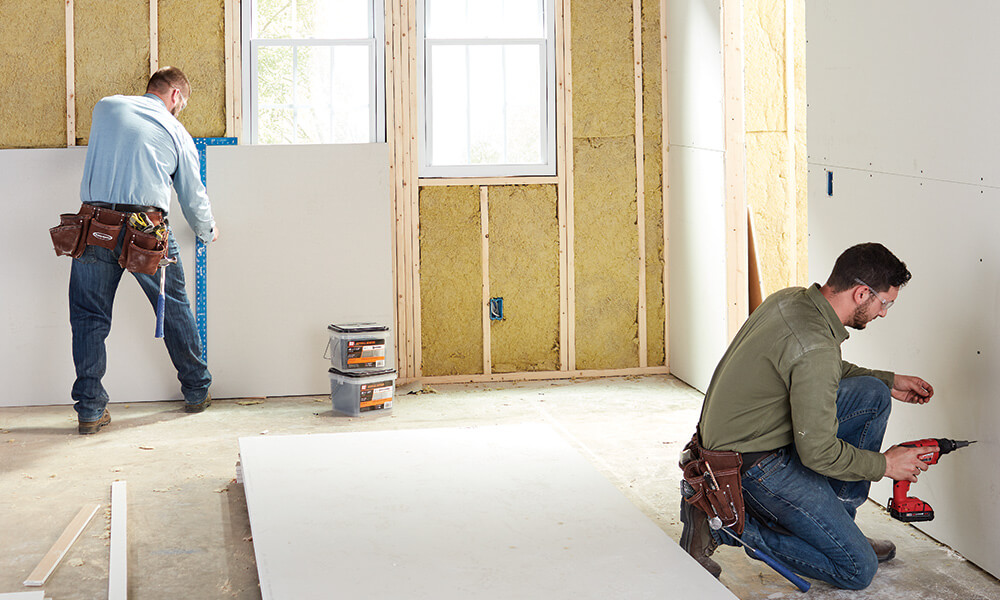
Drywall shapes the look and feel of nearly every interior space in an American home. From smooth living room walls to moisture-resistant bathroom panels, it provides both structure and style. Homeowners planning repairs, remodeling, or new construction often search for a reliable drywall contractor in Burlington, IA to ensure clean finishes and long-lasting performance.
This guide explains how drywall works, what quality installation involves, and how to make informed decisions before starting your project.
What Drywall Actually Does
Drywall is more than a flat panel covering studs. It contributes to comfort, safety, and energy efficiency.
Key functions include:
- Creating smooth surfaces for paint and texture.
- Supporting insulation and indoor temperature control.
- Helping slow fire spread in certain rated assemblies.
- Reducing noise transfer between rooms.
- Protecting wiring and plumbing inside walls.
Because it plays multiple roles, proper installation matters as much as the material itself.
Common Drywall Projects in U.S. Homes
Many homeowners only think about drywall during construction, but it’s part of ongoing maintenance too. A typical drywall contractor in Burlington, IA may handle a variety of residential tasks.
1. New Construction Installation
Builders install panels after framing and mechanical work. This stage includes:
- Measuring and cutting sheets.
- Fastening to studs.
- Taping joints.
- Applying joint compound.
- Sanding for a smooth finish.
2. Repair Work
Everyday living causes wear and tear. Repairs often involve:
- Nail pops.
- Small dents and holes.
- Water damage patches.
- Cracked seams.
3. Remodeling and Additions
Basements, garages, and room expansions require blending new walls into existing surfaces so the finish looks seamless.
Signs Your Walls Need Professional Attention
Minor imperfections are normal, but certain issues signal deeper problems.
Watch for:
- Bubbling paint or soft spots.
- Long vertical cracks near seams.
- Mold odor or discoloration.
- Sagging ceilings.
- Repeated patch failures.
These symptoms often mean moisture or structural movement is involved. In those cases, homeowners usually consult a drywall contractor in Burlington, IA rather than attempting repeated DIY fixes.
How Quality Installation Is Done
High-quality drywall work follows a consistent process. Skipping steps can lead to visible seams and uneven paint.
Surface Preparation
Framing must be straight and securely fastened. Even small alignment errors create shadow lines later.
Proper Fastening
Panels should be spaced and screwed at measured intervals to prevent sagging.
Taping and Madding
Joint tape reinforces seams, while multiple thin coats of compound produce smooth surfaces. Professionals allow drying time between coats instead of rushing.
Sanding and Finishing
Final sanding removes ridges without damaging the paper surface. The wall should feel even when light hits it at an angle.
Choosing the Right Drywall Type
Not all drywall panels are the same. Different rooms require different performance features.
- Standard drywall – General living areas.
- Moisture-resistant (green board) – Bathrooms and laundry rooms.
- Mold-resistant panels – Basements or humid spaces.
- Fire-rated drywall – Garages and utility areas.
- Sound-dampening drywall – Bedrooms or home offices.
Selecting the proper material reduces future repairs and improves indoor comfort.
Preparing Your Home Before Work Begins
Good preparation helps projects run smoothly and keeps dust under control.
Helpful homeowner steps:
- Remove wall decor and electronics.
- Cover floors and furniture.
- Provide ventilation if possible.
- Keep pets away from the work zone.
- Plan paint scheduling after curing time.
Small preparations make finishing faster and cleaner.
Conclusion
Drywall may appear simple, but it combines structural alignment, material selection, and finishing skill. Understanding the process helps homeowners communicate clearly, set expectations, and recognize quality craftsmanship.
For residents learning about interior wall construction, companies like IA Drywall Inc often serve as practical examples of how specialized trades support safe and comfortable housing across American communities.