


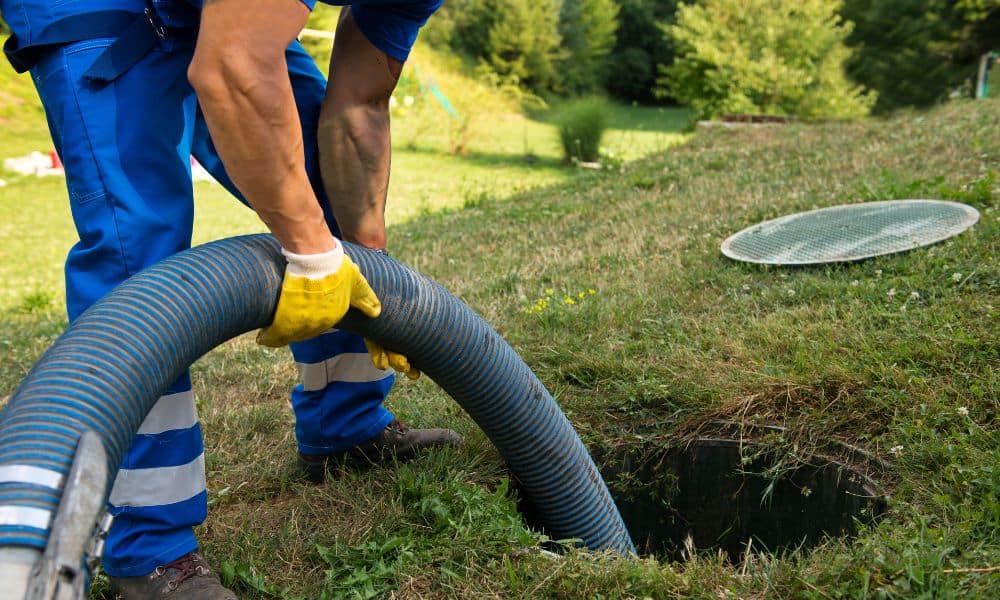
Homeowners in Iowa City often rely on private wastewater systems, especially outside dense urban areas. A septic system works quietly underground, but it needs routine care to prevent messy and expensive problems. Understanding maintenance schedules, warning signs, and what professionals actually do during a visit helps protect both your property and the local environment.
Why Routine Pumping Matters
A septic tank separates solids from wastewater. Over time, sludge collects at the bottom and scum floats on top. If those layers grow too thick, wastewater stops flowing correctly. Instead, it backs up into drains, the yard, or even groundwater.
Routine maintenance prevents:
- Sewage odors inside the home.
- Slow drains and gurgling pipes.
- Lawn pooling or soggy patches.
- Contamination of nearby soil and water.
That is why homeowners regularly schedule septic tank pumping services in Iowa City as part of responsible property upkeep.
How Often Should a Tank Be Pumped?
There is no single schedule for every home. Pumping frequency depends on:
- Household size.
- Tank capacity.
- Water usage habits.
- Garbage disposal use.
- Age of the system.
Typical single-family homes pump every 3–5 years. Larger families may need service every 2–3 years, while smaller households may go longer.
Regular inspection matters just as much as pumping. A technician can measure sludge depth and confirm whether cleaning is necessary rather than guessing.
Common Warning Signs You Should Not Ignore
Septic problems rarely appear overnight. They build gradually. Watch for these early clues:
- Toilets flushing slower than usual.
- Sink drains backing up briefly.
- Grass growing unusually green above the tank.
- Wet spots even during dry weather.
- Sewer smells near drains or outdoors.
If you notice any of these, scheduling septic tank pumping services in Iowa City quickly can prevent damage to floors, landscaping, and plumbing fixtures.
What Happens During a Professional Visit
Many homeowners imagine the process as just removing waste, but it is more thorough than that.
A typical appointment includes:
- Locating and uncovering the tank lid.
- Measuring sludge and scum layers.
- Pumping and removing accumulated solids.
- Checking baffles and inlet/outlet lines.
- Inspecting for cracks or root intrusion.
This inspection component is essential. Small issues discovered early cost far less than full system replacement.
Everyday Habits That Protect Your System
Maintenance does not only happen during service appointments. Daily behavior inside the home makes a big difference.
Do
- Spread laundry loads across the week.
- Use water-efficient fixtures.
- Flush only toilet paper.
- Keep grease out of sinks.
Avoid
- Chemical drain cleaners.
- Paint, solvents, or medication disposal.
- “Flushable” wipes.
- Excessive garbage disposal use.
Following these habits reduces how often you need septic tank pumping services in Iowa City and keeps the drain field functioning properly.
Seasonal Considerations in the Midwest
Iowa weather adds unique challenges. Freeze-thaw cycles and heavy spring rains affect soil absorption.
Winter tips:
- Keep tank lids covered with soil and grass insulation.
- Avoid parking vehicles over the system.
Spring tips:
- Redirect roof runoff away from the drain field.
- Watch for standing water after storms.
Proper drainage protects system efficiency year-round.
Final Thoughts
Septic systems rarely demand attention when working correctly, yet they require consistent care to stay reliable. Routine inspections, mindful water use, and prompt response to warning signs prevent emergencies and extend system life.
For homeowners seeking information or understanding maintenance expectations, experienced providers such as Action Sewer & Septic Service, Inc often serve as practical examples of how professional septic care is structured within communities—focused on prevention, safety, and environmental responsibility rather than reactive repairs.