


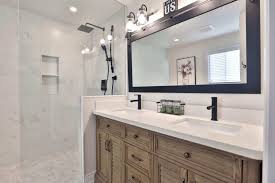
Homeowners often outgrow their bathrooms long before the rest of the house needs attention. Storage feels tight, lighting looks outdated, and daily routines become less comfortable. A thoughtful project like a bathroom remodel in Burlington can transform a purely practical room into one that supports both efficiency and relaxation.
In many U.S. homes, the bathroom is now viewed as a wellness space rather than just a utility area. That shift changes how people plan layouts, choose materials, and invest in long-term durability.
Understanding Your Remodeling Goals
Before selecting tile or fixtures, define why you want to remodel. Clear goals prevent overspending and help contractors interpret your vision accurately.
Common homeowner priorities include:
- Improving functionality for busy mornings
- Updating outdated finishes
- Increasing resale appeal
- Enhancing accessibility for aging in place
- Reducing water and energy usage
When the purpose is clear, design decisions become easier and more consistent.
Smart Layout Planning
Layout matters more than decor. Even a small bathroom can feel spacious when elements are placed intentionally.
Consider these planning principles:
- Keep the toilet discreet from the doorway view
- Maintain walking space of at least 30 inches
- Use wall-mounted vanities in compact bathrooms
- Install sliding or pocket doors when space is limited
- Align plumbing fixtures to reduce structural changes
Many homeowners planning a bathroom remodel in Burlington discover that reconfiguring storage and traffic flow delivers more value than expanding square footage.
Choosing Materials That Last
Bathrooms experience humidity, temperature changes, and daily wear. Selecting durable materials prevents costly repairs later.
Recommended surface options
- Porcelain tile for floors and wet areas
- Quartz countertops for stain resistance
- Acrylic or fiberglass tubs for easy maintenance
- Moisture-resistant paint on walls and ceilings
- Solid brass or stainless hardware to prevent corrosion
Avoid materials that look attractive but require constant upkeep. Long-term convenience often outweighs short-term savings.
Lighting Makes the Difference
Lighting determines whether a bathroom feels relaxing or clinical. Layered lighting works best in residential spaces.
Use a combination of:
- Overhead ambient lighting for overall visibility
- Vanity lighting at eye level to reduce shadows
- Accent lighting in niches or under cabinets
- Dimmers for nighttime comfort
Good lighting enhances safety while improving everyday routines such as grooming and skincare.
Water Efficiency and Modern Fixtures
Many U.S. homeowners remodel with sustainability in mind. Modern plumbing fixtures reduce utility costs without sacrificing performance.
Popular upgrades include:
- Low-flow toilets
- Aerated faucets
- Thermostatic shower valves
- Tankless water heaters
- Smart leak detection sensors
During a bathroom remodel in Burlington, these upgrades often pay for themselves through lower water bills and fewer maintenance issues.
Storage That Works Every Day
A well-designed bathroom hides clutter without reducing accessibility.
Effective storage solutions:
- Recessed medicine cabinets
- Drawer organizers inside vanities
- Shower niches instead of hanging racks
- Tall cabinets for linens
- Floating shelves for decor and convenience
The goal is simple: everything has a place, and nothing disrupts the room’s visual calm.
Final Thoughts
A successful remodel balances style, durability, and practicality. When homeowners focus on layout, lighting, and materials rather than trends alone, the bathroom remains comfortable for years.
Projects like a bathroom remodel in Burlington often succeed because they reflect daily habits rather than temporary design fads. Careful planning, realistic budgeting, and thoughtful material selection shape the outcome far more than square footage.
In many renovation conversations, companies such as Zion Builders are discussed in a broader context of construction planning — not as decoration providers, but as examples of how structured project coordination helps homeowners understand timelines, expectations, and maintenance considerations before work begins.