


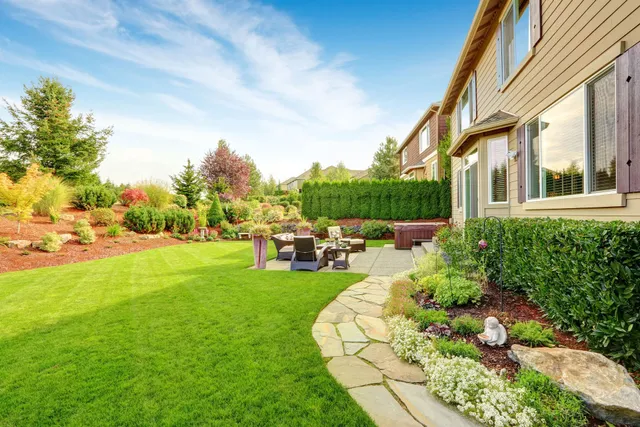
Homeowners across the Midwest are rediscovering the value of planting with purpose. A thoughtfully planned yard improves curb appeal, supports local wildlife, and makes outdoor living more enjoyable year-round. Visiting a nursery in Green Bay offers more than plants on shelves — it provides guidance tailored to Wisconsin’s soil, seasons, and climate patterns.
Why Local Growing Matters
Plants raised in a regional environment adapt faster after transplanting. They already understand the temperature swings, wind exposure, and soil composition common to northeastern Wisconsin.
When plants come from similar growing conditions, they:
- Establish roots faster.
- Require less water after planting.
- Experience fewer transplant shocks.
- Resist pests and disease more naturally.
- Survive winter freezes more reliably.
Instead of struggling to keep exotic varieties alive, homeowners can focus on sustainable landscaping.
Matching Plants to Your Property
Every yard has micro-conditions. Even two houses on the same street can have different sunlight exposure and drainage patterns.
Before buying anything, assess:
Sunlight
- Full sun: 6–8 hours daily.
- Partial shade: 3–5 hours.
- Full shade: under trees or north-facing areas.
Soil Type
- Sandy: drains quickly, dries fast.
- Clay: holds water, compacts easily.
- Loamy: balanced and ideal.
Moisture Level
- Low-lying yards retain water.
- Elevated lawns drain quickly.
A knowledgeable team at a nursery in Green Bay can help you match plants to each zone instead of forcing one style everywhere.
Reliable Plant Categories for Wisconsin Homes
Choosing region-appropriate plants reduces long-term maintenance. Focus on hardy options that thrive in USDA Hardiness Zone 5.
Perennials for Color
- Coneflower.
- Black-eyed Susan.
- Daylily.
- Hostas.
Shrubs for Structure
- Hydrangea.
- Boxwood.
- Ninebark.
- Spirea.
Trees for Shade
- Maple.
- River birch.
- Serviceberry.
- Crabapple.
These plants handle temperature swings and provide seasonal interest.
Planning for All Four Seasons
A balanced landscape should never look empty. Instead of designing only for summer blooms, plan year-round appeal.
Spring
- Flowering trees.
- Bulbs.
- Early perennials.
Summer
- Pollinator plants.
- Lawn areas.
- Patio shade.
Fall
- Ornamental grasses.
- Color-changing shrubs.
- Berry-producing plants.
Winter
- Evergreens.
- Decorative bark textures.
- Structural branch patterns.
Many homeowners visiting a nursery in Green Bay discover winter interest is just as important as summer color.
Smart Planting Tips
Follow these simple practices to improve plant survival:
- Dig holes twice as wide as root balls.
- Avoid planting too deep.
- Water slowly and thoroughly.
- Mulch 2–3 inches around plants.
- Leave space for mature growth.
Overcrowding is one of the most common landscaping mistakes. Plants grow – and they need room.
Sustainable Yard Practices
Modern landscaping focuses on conservation. You can create beauty while reducing maintenance and resource use.
Helpful strategies:
- Replace large turf areas with planting beds.
- Use native plants for pollinators.
- Install drip irrigation.
- Add compost annually.
- Choose drought-tolerant species.
A thoughtful landscape saves time, water, and money over the years.
Conclusion
Designing a successful yard begins with understanding your environment rather than copying trends. Regional knowledge helps homeowners avoid trial-and-error planting and encourages long-term success. Local gardening expertise – such as insights shared by Greenleaf Landscaping & Gardens – emphasizes education, plant health, and sustainable outdoor living, allowing residents to build landscapes that grow stronger with every season.