


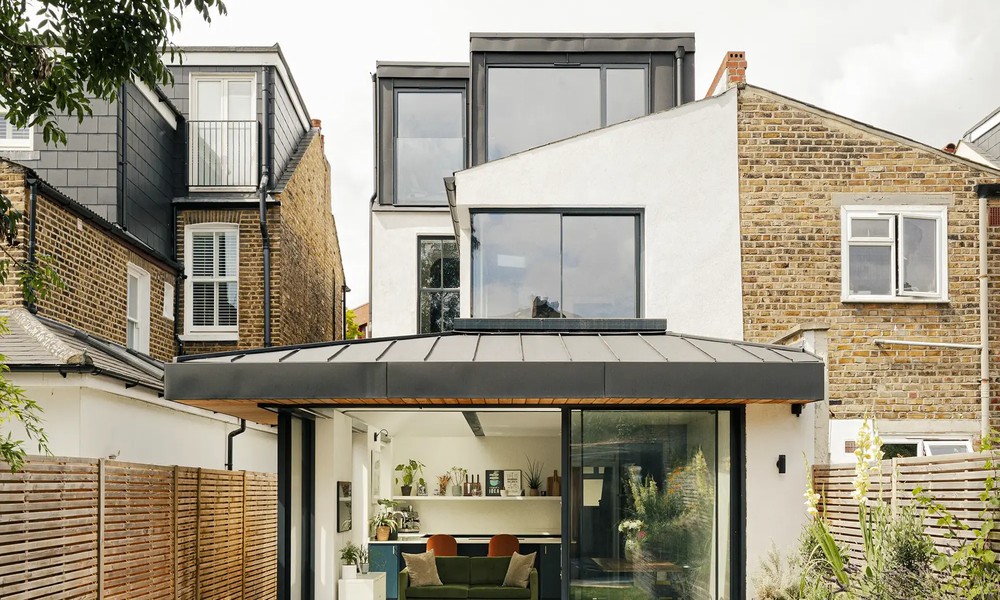
Loft Conversion Costs and Process for Scottish Properties
Expanding a home upwards represents a flexible and accessible choice for families needing more room. By maximising unused roof space, this popular home extension can significantly increase both living area and a dwelling’s market value.
The average financial outlay for such a project across the UK is approximately £40,000. This figure serves as a useful starting point, but it varies considerably based on the design’s scale, complexity, and precise location.
This guide provides a detailed roadmap for homeowners across Scotland, from Glasgow and Edinburgh to the Scottish Borders. It demystifies the journey of transforming an attic into functional, characterful living space.
Readers will gain clarity on detailed financial breakdowns and the various types of extensions available. The guide also covers essential procedural steps, including planning permission nuances specific to Scotland and vital structural considerations.
Engaging with experienced professionals makes a substantial difference. Their expertise helps navigate building regulations to achieve a successful project that meets individual needs and enhances the home.
Key Takeaways
- Transforming an attic is a strategic investment that adds space and value to a home.
- It allows families to maximise their existing dwelling’s potential without the upheaval of moving.
- The financial commitment varies widely based on the project’s specifications and location.
- Scottish planning rules and building standards have specific requirements that must be understood.
- Professional guidance is crucial for a smooth process and a compliant, high-quality finish.
- This comprehensive resource aims to equip homeowners with the knowledge for informed decisions.
Understanding Loft Conversions for Scottish Properties
Many homeowners look upwards to their attic when they need additional living quarters. This approach turns an often-empty roof area into a practical, new part of the dwelling.
What is a Loft Conversion?
A loft conversion is the transformation of underutilised attic area into a fully functional, habitable room. Work typically includes adding flooring, insulation, windows, and a staircase.
The result is a customised living area that blends seamlessly with the existing house. It makes intelligent use of previously wasted volume.
Key Benefits for Homeowners
The primary advantage is maximising existing square footage without extending the building’s footprint. It represents a cost-effective route to gaining extra room compared to moving or building outwards.
Furthermore, a well-executed project can substantially boost a home’s market value. Homeowners enjoy tailored designs that suit specific needs, from bedrooms to offices.
Generous natural light from roof windows creates bright, inviting spaces. This enhances daily comfort and the overall appeal of the property.
Detailed Look at Loft Conversion Costs and Process for Scottish Properties
Understanding where the money goes demystifies the investment required for an attic transformation. A detailed budget breakdown provides essential transparency for homeowners.
This financial planning is a critical step in the undertaking.
Breaking Down the Cost Elements
Construction costs form the largest part of the budget, typically 50-60% of the total. This covers all structural work, materials, and labour.
For context, a 30m² dormer project on a terraced home often starts from £37,500. The UK average sits around £40,000.
Separate from construction are professional and regulatory fees. These are vital for a lawful, well-designed project.
|
Cost Category |
Description |
Indicative Range |
|
Construction |
All structural alterations, materials, and tradesperson labour. |
50-60% of total budget |
|
Architect Services |
Design, drawings, and project specification. |
£2,000 – £8,000+ |
|
Regulatory Fees |
Planning application & building warrant submissions. |
From £300 + warrant fee |
Architect fees include several components. A measured survey of the existing home ranges from £900 to £1,400.
Outline proposal drawings cost between £200 and £1,100. Preparing a building warrant application can be £1,100 to £1,500.
In Scotland, a planning application fee is approximately £300. The final price is heavily influenced by the design’s complexity.
Obtaining detailed estimates from builders early is crucial for realistic financial planning.
Types of Loft Conversions
The architectural approach to utilising roof space falls into clear categories. Homeowners should understand these main options before planning their project.
Velux and Rooflight Conversions
These represent the most straightforward and budget-friendly method. The existing roof structure remains largely unchanged while roof lights are installed.
This approach floods the new room with natural light. It involves interior fit-out work like insulation and floor strengthening.
Dormer, Hip-to-Gable and Mansard Options
More extensive modifications alter the roof’s shape to gain space. A dormer extension projects vertically from the slope, creating valuable headroom.
Hip-to-gable transformations suit semi-detached dwellings. They replace a sloping hip end with a vertical gable wall.
Mansard reconstructions are the most substantial. They involve replacing the entire roof structure to maximise living area.
|
Conversion Type |
Key Features |
Typical Cost Range |
Best For |
|
Velux/Rooflight |
Minimal structural change, roof windows added |
£15,000 – £25,000 |
Properties with good existing height |
|
Dormer |
Vertical extension from roof, increases floor area |
£25,000 – £50,000 |
Creating additional headroom and space |
|
Hip-to-Gable |
Converts sloping hip end to vertical gable wall |
£40,000 – £70,000 |
Semi-detached and detached homes |
|
Mansard |
Complete roof replacement, maximum space gain |
£40,000 – £75,000 |
Substantial enhancement projects |
The right choice balances structural possibilities, budget, and desired outcome. Professional advice is invaluable here.
Factors Influencing Loft Conversion Costs
The final price tag for transforming an attic hinges on several interconnected elements. A clear grasp of these variables is crucial for accurate financial planning.
Material selection and labour demands are primary drivers behind the total outlay. The project’s scale and desired finish also play significant roles.
Construction and Materials
Choices here directly affect both initial expenditure and long-term value. Premium finishes naturally command a higher price.
Window specification is a major consideration. Dormer units range from £650 to £1,350, while Velux roof lights cost £600 to £1,500.
Flooring options present a wide spectrum. Homeowners can select vinyl from £10 per m² or opt for hardwood at £72 to £116 per m².
|
Material Type |
Key Description |
Cost Range |
|
Windows |
Dormer or roof light units for light and ventilation. |
£600 – £1,500 per unit |
|
Flooring |
Surface finish from economical vinyl to premium hardwood. |
£10 – £116 per m² |
|
Insulation |
Loose-fill, sheet, or blanket types for thermal efficiency. |
£5 – £27 per m² |
Insulation quality is vital for comfort. Options span from loose-fill at £5 per m² to blanket systems up to £27 per m².
Labour and Project Complexity
Skilled tradespeople are essential for a high-quality finish. Their combined fees typically range from £14,000 to £35,000.
Builder rates sit between £20 and £35 per hour. Specialist electricians may charge £50 to £120 hourly.
Project complexity drastically alters labour time. A simple roof light installation needs fewer trades than a full structural redesign.
This complexity influences both material needs and specialist involvement. It is a fundamental factor in the overall budget.
Comparing Conversion Types: Dormer, Hip-to-Gable and Mansard
Homeowners face a key decision between dormer, hip-to-gable, and mansard designs. This comparative analysis highlights distinct structural approaches for informed choices.
Design and Structural Differences
A dormer extension adds a box-shaped projection vertically from the roof. This design creates valuable headroom and floor space.
It offers excellent flexibility for window layouts and en-suite inclusion. Projects typically cost £1,250-£1,350 per m² and take 8-11 weeks.
The hip-to-gable alteration replaces a sloping hip end with a vertical gable wall. This transformation suits semi-detached dwellings well.
It dramatically increases usable area, especially when combined with a rear dormer. Construction work is more involved, costing £1,500-£2,500 per m² over 10-12 weeks.
A mansard project involves complete roof reconstruction. Walls are built at a 70-degree angle to maximise every centimetre.
This ambitious design delivers the greatest space gain but requires careful planning. Costs range from £1,500-£2,500 per m², with durations of 10-14 weeks.
|
Conversion Type |
Structural Change |
Cost per m² |
Project Duration |
|
Dormer |
Box projection from roof |
£1,250 – £1,350 |
8-11 weeks |
|
Hip-to-Gable |
Hip end to gable wall |
£1,500 – £2,500 |
10-12 weeks |
|
Mansard |
Full roof replacement |
£1,500 – £2,500 |
10-14 weeks |
The right choice balances structural possibilities with budget and desired outcome. Professional advice ensures the design aligns with the dwelling’s potential.
Planning Permission and Building Regulations in Scotland
Before any construction begins, understanding the regulatory framework in Scotland is essential for a compliant project. Two key pillars govern this work: planning permission and building regulations.
These rules ensure alterations are safe, suitable, and in keeping with local character. Navigating them correctly is a fundamental step.
Understanding Permitted Development Rules
Many projects benefit from Permitted Development Rights. These allow certain works without a full planning permission application.
Specific volume limits apply. For terraced homes, the new space must not exceed 40 cubic metres.
Semi-detached or detached dwellings have a 50 cubic metre limit. These rights do not apply to flats or homes in conservation areas.
A building warrant is still required for all structural work. This separate approval verifies compliance with safety and energy regulations.
Full planning permission becomes mandatory in specific cases. These include listed buildings, conservation areas, or if a front-facing dormer is proposed.
Local planning departments aim to respond within six weeks. The complete design and approval process often takes around six months.
The application fee in Scotland is set at £300. Engaging an architect familiar with local policies in historic districts like Edinburgh’s Old Town is highly advisable.
Structural and Design Considerations
A successful attic transformation hinges on meticulous attention to underlying structural and design elements. These factors determine both feasibility and the final quality of the new room.
Roof Structure and Insulation Needs
The existing roof structure is a primary consideration. Homes built before the 1960s often feature traditional cut and pitched designs, which are generally simpler to adapt.
Modern truss roofs can offer greater internal height but may require more complex structural support. First-floor load-bearing walls in older properties typically support new floor joists.
Insulation is paramount for comfort and compliance. A recommended 270mm thickness ensures thermal efficiency meets building standards.
Staircase Placement and Head Height
Adequate head height throughout the space is non-negotiable. Building regulations mandate approximately two metres of clear headroom on staircases.
The area beneath the roof ridge usually provides the most height. Strategic staircase placement balances access with space optimisation on both the new floor and the level below.
Design flexibility exists through compensatory energy calculations. Architects can adjust insulation levels in one area to gain headroom, increasing it elsewhere to maintain overall thermal performance.
Cost Breakdown: Materials, Labour and Finishing Touches
The final price is a sum of distinct components, from structural steel to final plastering. For a typical 30m² rear dormer project, the total investment often reaches approximately £36,800.
Structural changes form a substantial part of this figure. Alterations to the roof framework may cost around £5,000, with necessary steelwork adding £6,000 more. Roof coverings, essential for weatherproofing and matching existing materials, can account for £8,250.
Essential services like electrical and plumbing installations require roughly £3,250. These must comply with current building standards. Interior finishing, including joinery and plastering, adds another £7,250 to create a comfortable living area.
Labour represents 50-60% of the overall budget. This covers skilled tradespeople executing the work. Staircase selection significantly affects expenditure too.
A spiral design might cost £2,750, while standard options range from £1,500 to £2,500. Bespoke staircases command £5,000 to £10,000 or more. Additional considerations include Party Wall agreements for terraced homes and potential boiler upgrades.
Final touches like soundproofing add approximately £6.50 per m² for blanket insulation. Solid insulation boards cost £55-£60 per m². Each element contributes to the complete, habitable space.
Energy Efficiency and Insulation Benefits
A significant advantage of modern attic transformations is the substantial improvement in a dwelling’s thermal performance. Turning previously unused areas into liveable space requires comprehensive insulation to current standards. This often enhances the entire home‘s energy rating.
Modern Insulation and Energy-saving Measures
Building regulations drive these improvements. They reduce heating expenses and environmental impact. Proper insulation minimises heat loss through the roof, a common issue in older buildings.
Sustainable materials offer excellent thermal performance. Options include sheep’s wool, recycled cellulose, and coconut fibres. These natural choices suit the variable climate well.
Architects balance natural light with thermal efficiency. High-performance glazing in roof windows floods the space with daylight. It also maintains a comfortable temperature year-round.
Compensatory energy calculations allow design flexibility. Experts can optimise head height in key areas. They ensure overall thermal performance meets strict quality requirements.
Well-insulated rooms stay warm in winter and cool in summer. This creates comfortable living space and contributes to household savings. The result is a more efficient and pleasant home.
Local Insights for Scottish Homeowners
Scotland’s diverse regions present distinct considerations for those extending their living space. Urban centres like Glasgow see high demand for attic projects. Families there often prefer enhancing their current house rather than moving.
Rural locations offer different opportunities and challenges. Each area requires a tailored approach to design and planning.
Regional Cost Variations and Trends
Expenditure differs markedly across the country. Labour and materials typically command higher prices in cities. Builders in Edinburgh or Aberdeen may charge more than those in the Borders.
|
Region Type |
Labour Cost Factor |
Material Availability |
Planning Considerations |
|
Major Cities |
Higher (demand-driven) |
Wide selection |
Space constraints, party walls |
|
Rural Areas |
Competitive |
May require sourcing |
Fewer immediate restrictions |
|
Conservation Zones |
Specialist skills needed |
Traditional materials essential |
Strict design approval required |
Properties in conservation districts face extra scrutiny. Edinburgh’s Old Town has extensive protected zones. Design sensitivity becomes paramount for approval there.
Traditional stone construction influences material choices. Slate roofing may need matching. Scotland’s climate demands robust insulation and condensation control.
Working with local architects proves invaluable. They understand regional building traditions. Their knowledge navigates specific planning requirements effectively.
Budgeting and Financing Your Loft Conversion
Strategic budgeting unlocks the potential of an attic project, turning aspirations into a tangible new room. This section offers practical advice for managing the investment wisely.
A clear financial plan is essential from the start. Homeowners should obtain several detailed quotes from reputable specialists.
Cost-saving Strategies and Tips
Comparing quotes reveals different approaches and value. It is a crucial step for understanding the overall cost.
Timing the work can yield savings. Builders may offer competitive rates during quieter winter months.
Using the existing layout minimises structural changes. Choosing standard, readily available materials can also reduce cost significantly.
Homeowners can contribute to their project timeline. Simple tasks like painting or installing fixtures offer a personal touch and help manage the budget.
Financing Options and Budget Planning
Several routes exist to finance the work. A specialist home improvement loan is one common funding option.
Releasing equity via remortgaging is another viable option. A ‘Further Advance’ from an existing lender is also popular.
Every realistic budget must include a contingency. Setting aside 10-15% of the total project cost covers unexpected issues.
Researching local properties provides context. Understanding the value a loft conversion adds ensures the financing route makes sound economic sense for Scottish homeowners.
Expert Guidance and Tips from Industry Leaders
The accumulated wisdom of industry leaders provides invaluable direction for homeowners embarking on a major renovation. Tapping into this knowledge base helps avoid common pitfalls. It streamlines the entire journey from concept to completion.
Engaging a skilled specialist transforms a complex undertaking. These experts offer solutions tailored to specific lifestyles and building types. Their insight is crucial for navigating planning rules and building standards.
Insights from Oakwood Properties
Established firms like Oakwood Properties bring proven expertise to every loft conversion. They understand local authority requirements across different regions. This ensures a smooth path through necessary approvals.
A strong portfolio of completed conversion projects demonstrates practical capability. It shows an ability to handle varied roof structures and design challenges. Selecting a contractor with this track record is wise.
Industry-leading professionals stay updated on evolving regulations. They incorporate best practices for energy efficiency and construction quality. This delivers superior, future-proofed results for any home.
Early structural assessments form a key part of their approach. Realistic timeline planning and clear communication are also emphasised. These strategies maintain quality while managing the project budget effectively.
Ultimately, a successful loft conversion relies on this specialist guidance. It aligns the final space with the homeowner’s vision. It also guarantees full compliance with all safety and performance standards.
How to Manage a Loft Conversion Project Effectively
The difference between a stressful undertaking and a seamless one often lies in robust project management. Clear structures from the outset keep the work on track.
Homeowners should establish regular communication channels. Documented agreements about deliverables are also vital.
Building Partnerships with Established Firms
A strong working relationship with your contractor ensures smooth coordination. Firms like Oakwood Properties Ltd bring valuable experience in handling complex builds.
Their expertise helps navigate regulatory compliance and trade coordination. This partnership is key to a high-quality finish.
Effective Project Timelines and Milestones
Realistic scheduling sets correct expectations. A Velux conversion project may take 4-6 weeks, while a Mansard design needs 8-10.
Key stages provide useful milestones. Monitor structural work completion, roof weatherproofing, and insulation fitting.
Staircase installation and final inspections are other critical points. Regular site meetings help resolve concerns promptly.
Effective timeline oversight keeps multiple tradespeople aligned. Builders, roofers, and electricians must work in sequence.
This careful management turns the loft conversion project vision into a splendid new room. It delivers the space on schedule and to specification.
Creative Design Ideas for Maximising Loft Space
Intelligent design transforms a simple loft space into a cherished part of the home. This phase focuses on personalising the new area to reflect lifestyle needs and aesthetic preferences.
The available square metreage dictates exciting layout possibilities. A 30m² area can become a large bedroom, a compact bedroom with an en-suite, or a spacious home office.
A more generous 50m² footprint allows for two well-sized bedrooms or a luxurious master suite. In a bungalow, it can create an entire new floor.
Customised Layouts and Finishing Touches
Multi-functional designs offer excellent flexibility for evolving families. A guest bedroom can double as a quiet home office. A playroom might later transition into a teenager’s private retreat.
The intended purpose of the room significantly influences the internal fit-out budget:
- A basic office or playroom sets the baseline.
- Adding a bedroom increases the budget by £2,000 to £5,000.
- Installing an en-suite bathroom adds £5,000 to £12,000.
- A gym fit-out requires £1,500 to £3,000 more.
- A self-contained flat addition costs £15,000 to £25,000 extra.
Strategic window placement is crucial. Dormers and roof lights flood the room with natural light.
This creates bright, welcoming spaces that feel larger than their dimensions. It is especially valuable given variable light conditions.
Clever storage solutions maximise every centimetre. Built-in wardrobes fit neatly within eaves. Under-floor access provides hidden storage space.
Creative shelving turns awkward angles into useful display areas. These touches keep the new room organised and clutter-free.
Finishing details add character and value. Exposed timber beams celebrate traditional craftsmanship. Contemporary feature walls or designer lighting create a modern feel.
Thoughtful choices result in a space that genuinely enhances daily living. It becomes a peaceful home office, a luxurious master suite, or a vibrant family area.
Precautions and Common Challenges in Loft Conversions
Proactive planning for potential hurdles is a hallmark of a well-managed building project. Foresight helps homeowners avoid costly delays and ensures a successful outcome.
Regulatory compliance is paramount. Work that fails to meet building regulations can devalue a house. It creates legal complications when selling.
Older buildings often conceal structural issues. Timber decay or weak floor joists may only be found once work starts. A pre-conversion survey by a structural engineer is vital.
Access presents a practical challenge. Terraced homes with narrow side passages complicate scaffolding and material delivery. Careful logistics planning is essential.
|
Common Challenge |
Typical Cause |
Potential Impact |
Proactive Measure |
|
Regulatory Non-compliance |
Missing planning or building warrant |
Fines, reduced property value |
Engage an architect early |
|
Hidden Structural Defects |
Aged timber, previous alterations |
Budget overrun, project delay |
Commission a full structural survey |
|
Site Access Restrictions |
Terraced layout, limited street space |
Increased labour time, higher costs |
Discuss logistics with builders first |
|
Trade Coordination Delays |
Poor scheduling of multiple specialists |
Cascading timeline setbacks |
Use a contractor with strong project management |
Coordinating multiple trades is another frequent issue. Delays with electricians or plumbers can hold up subsequent work phases. Clear scheduling is key.
An experienced contractor anticipates these challenges. They have established strategies to navigate them efficiently, protecting your investment.
Ultimately, thorough preparation and partnering with seasoned professionals significantly reduce risk. This approach safeguards both the budget and the finished quality of the new space.
Conclusion
A well-planned loft conversion stands as a testament to smart home improvement. It blends practicality with financial prudence, transforming unused roof area into a functional living space.
This comprehensive guide has outlined the clear pathway to creating valuable extra space. Such a project maximises your existing square footage effectively.
It significantly enhances your property’s market value. Families gain essential room without the upheaval and cost of moving house.
Engaging experienced specialists ensures a smooth journey from concept to completion. These professionals navigate planning rules and building standards with proven expertise.
Homeowners can now proceed with confidence, armed with detailed knowledge. Thoughtfully designed areas become cherished family zones or productive home offices.
Ultimately, this strategic investment delivers substantial returns. It improves daily living experiences while securing a stronger financial future for your most important asset.
FAQ
What is the average price range for a dormer loft conversion in Scotland?
The average price for a dormer project in Scotland typically ranges from £35,000 to £55,000. This figure is influenced by the property’s size, location, and the quality of materials specified. A straightforward rear dormer on a terraced house will often sit at the lower end, while larger, more complex designs with high-end finishes will increase the budget.
Do I need planning permission for my loft conversion in Scotland?
Many projects fall under ‘Permitted Development’ rights, meaning formal planning consent isn’t required. However, these rights have specific limits on volume and exterior alteration. Properties in conservation areas or listed buildings will always need permission. It is crucial to consult with your local planning authority or a specialist like Oakwood Properties Ltd for definitive advice before starting any work.
What are the main benefits of converting my loft space?
The primary advantages include significantly increasing your home’s living area and property value without extending its footprint. It creates versatile new rooms, such as an extra bedroom, home office, or bathroom. Furthermore, modern projects greatly enhance thermal performance through superior insulation, reducing energy bills and improving comfort.
How long does a typical loft conversion project take to complete?
A standard Velux or dormer project usually takes between 6 to 10 weeks from start to finish. The timeline depends on the design’s complexity, the speed of structural work, and the level of interior finishing. Your chosen contractor, such as Oakwood Properties, will provide a detailed schedule with clear milestones to manage expectations.
What is the most important structural consideration for a loft conversion?
Ensuring adequate head height is the most critical initial factor. Building Regulations require a minimum of 2 metres of clear space over the staircase and key areas. A professional survey will assess your existing roof structure, floor joists, and load-bearing walls to determine what structural reinforcements, like steel beams, are necessary for safety and compliance.
Can I add a bathroom in my new loft room?
Yes, adding a bathroom or shower room is a popular and feasible option. Key considerations involve planning the waste and water pipe routes, which may require a pumped macerator system if gravity drainage isn’t possible. Ensuring sufficient ventilation and selecting space-saving fixtures are important parts of the design process for this addition.