


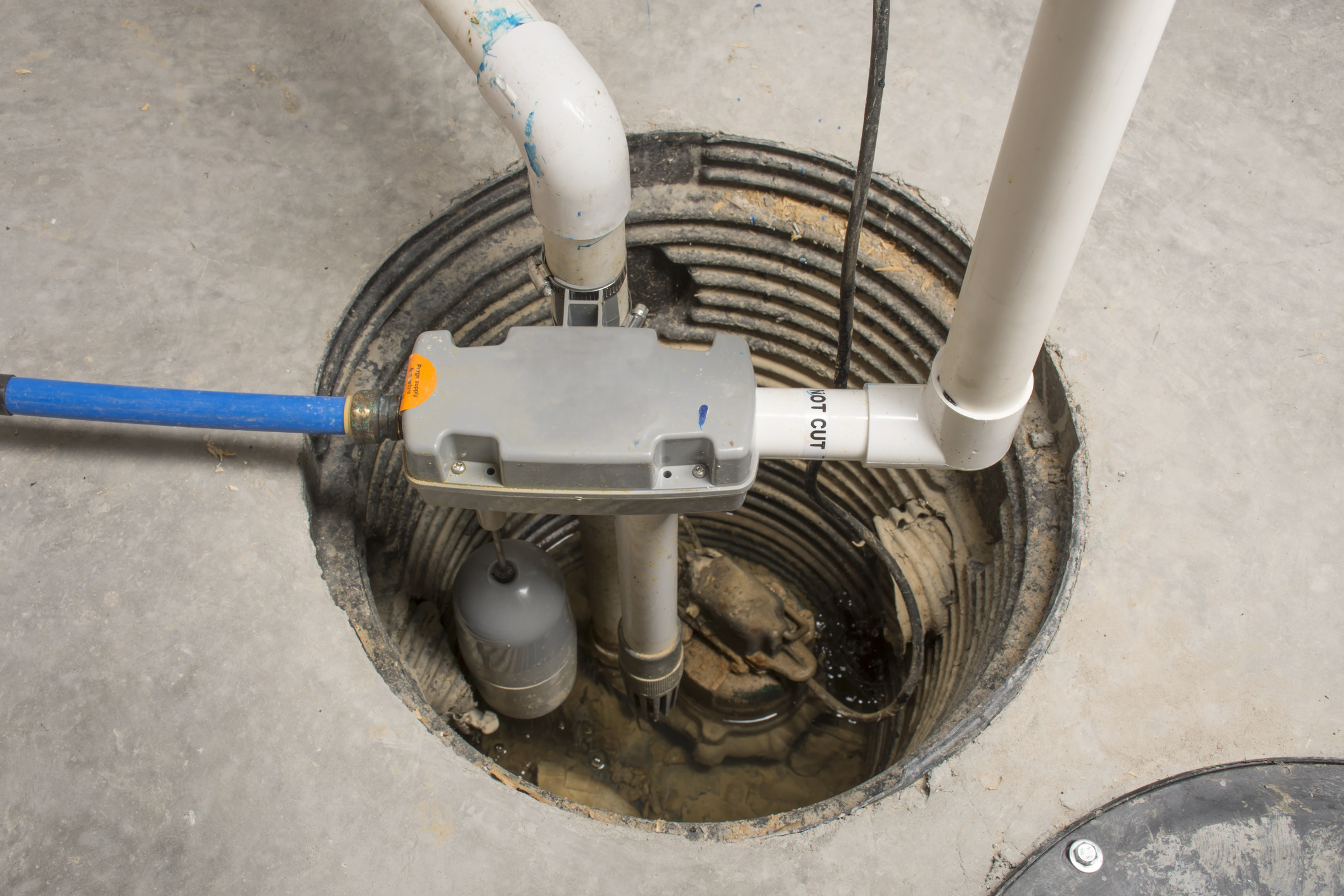
Drainage pumps are essential for managing excess water around homes, gardens and small commercial properties in the UK. From flooded basements to waterlogged gardens, choosing the right pump can prevent damage, save time and ensure long term reliability. With a wide range of options available, selecting the correct pump requires an understanding of key factors including water type, flow rate and installation requirements.
Assessing Your Drainage Needs
Before selecting a pump, it’s important to understand the specific drainage requirements of your property:
- Water type: Determine whether the water is clean, slightly dirty, or heavily contaminated. Clean water pumps are suitable for rainwater or minor flooding, whereas dirty water pumps can handle debris and mud.
- Volume of water: Estimate the potential volume of water to be removed. High capacity pumps are necessary for large areas or prolonged flooding.
- Location: Consider where the water collects and the distance it needs to be pumped. Longer discharge distances may require more powerful pumps.
- Pumping height: Also known as “head,” this is the vertical distance the pump needs to move water. Ensure the pump can handle the required head for your property.
Understanding these factors ensures you select a pump that matches the conditions it will face.
Types of Drainage Pumps
Drainage pumps come in several forms, each suited to specific situations:
1. Submersible Pumps
- Designed to operate underwater
- Ideal for flooded basements, sumps and ponds
- Can handle solids depending on design
2. Puddle Pumps / Utility Pumps
- Lightweight, portable, and easy to store
- Best for small areas, gardens, and minor flooding
- Usually handle clean or lightly contaminated water
3. Trash / Heavy Duty Pumps
- Designed for water containing solids or debris
- Suitable for construction sites, ponds, and emergency flood situations
- Can pump heavier water loads without clogging
Choosing the right type ensures both efficiency and longevity.
Key Features to Look For
When comparing pumps, consider the following features:
- Flow rate: Measured in litres per hour (l/h), it determines how quickly water is removed.
- Power source: Electric pumps are common for homes, while petrol or diesel pumps may be necessary for remote or high-capacity tasks.
- Automatic operation: Pumps with float switches or automatic sensors activate when water reaches a certain level, providing hands-free operation.
- Durability: Look for corrosion-resistant materials and robust construction for long term use.
Paying attention to these details ensures the pump meets the demands of your property.
Installation and Safety Tips
- Always follow manufacturer instructions for installation and operation.
- Use appropriate electrical protection (RCD circuits) when operating pumps indoors or near water.
- Avoid running pumps dry, as this can damage internal components.
- For high risk areas or large volumes, consult a professional for advice on correct sizing and placement.
Proper installation helps maintain efficiency, reduces risk and prolongs the pump’s life.
Frequently Asked Questions
Can one pump handle multiple areas of water collection?
Yes, but ensure the pump’s flow rate and head capacity are sufficient for combined volumes.
Is a submersible pump better than a puddle pump for a basement?
Submersible pumps are generally more suitable for basements as they can operate underwater and handle higher volumes efficiently.
How do I know if I need a dirty water or trash pump?
If water contains debris, mud, or small solids, choose a dirty water or trash pump to prevent clogging and maintain performance.
Can I leave a pump running unattended?
Automatic pumps with float switches can operate safely, but it’s advisable to monitor during heavy or prolonged flooding.
Final Thoughts
Selecting the right drainage pump for your property involves understanding your water type, volume and specific site conditions.
By choosing the appropriate pump type, capacity and features, UK homeowners can manage water effectively, prevent damage and enjoy peace of mind during heavy rain or flooding.