


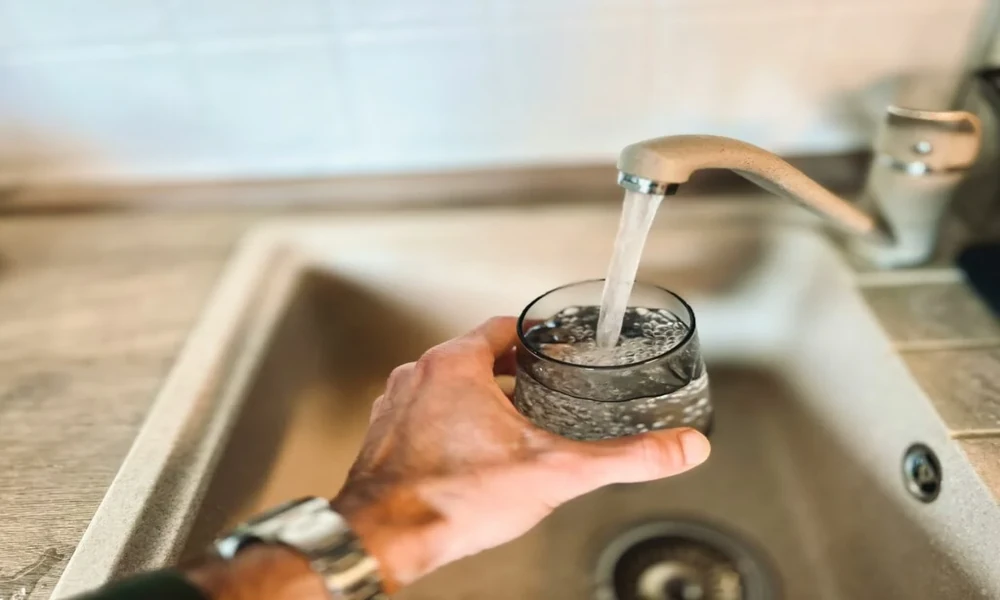
Run a kettle for a few months in a desert valley home and you will see the problem without any test kit. A chalky crust coats the bottom, the lid hinge gets stiff and every glass from the dishwasher comes out cloudy. Most people decide they need a water softener and stop thinking about it there.
That instinct is only half right. Water drawn mostly from Lake Mead carries a lot of dissolved minerals, but hardness is only one thing in it. It also contains other dissolved salts, a disinfectant added on purpose and small amounts of treatment byproducts. Each of these needs a different tool, and a softener deals with just one of them.
When homeowners ask about Henderson water treatment, the useful first question isn’t which brand of equipment to buy. It’s which problem in the water bothers the household most. Scale on fixtures, flat tasting drinking water, dry skin after showers and short-lived water heaters can all show up in the same house, but they don’t share one cause or one fix.
What Is Actually in the Water
The regional water authority rates its supply as very hard, measuring 291 parts per million, or about 17 grains per gallon. For context, the U.S. Geological Survey’s guide to water hardness explains that hardness comes mainly from calcium and magnesium, picked up as water moves through soil and rock. The Colorado River passes through a lot of mineral-rich ground before it reaches the lake.
Hardness is only part of the dissolved load. The valley water district’s own summary lists total dissolved solids at 591 parts per million, against a secondary guideline of 1,000. The same report puts total trihalomethanes, a byproduct of disinfection, at 72 parts per billion, under the federal limit of 80. That is a water supply that meets its standards and still has plenty in it for a homeowner to think about.
A home test or a lab panel usually checks for a handful of things:
- Total hardness, in grains per gallon or parts per million
- Total dissolved solids
- Disinfectant residual
- pH
- Lead and copper, especially in older homes with original plumbing
Those numbers turn a vague “our water is bad” into a specific list. Testing at the kitchen tap, not just looking up the citywide report, also shows what your own pipes are adding or taking away.
Matching the Tool to the Problem
Ion exchange softeners handle hardness and nothing else. Resin beads swap calcium and magnesium for sodium or potassium, which stops scale from forming in pipes, heaters and fixtures. Soap lathers better and glass shower doors stay clearer. Softeners do not remove the disinfectant, improve taste much or lower total dissolved solids. In fact, softened water carries a small amount of added sodium.
Salt-free conditioners work differently. Most use a process called template assisted crystallization, which changes hardness minerals into tiny crystals that are less likely to stick to surfaces. The minerals stay in the water, so spots on glass and fixtures can still show up. These units need little upkeep and send no brine down the drain, so some households accept the tradeoff.
Carbon filtration targets taste and odor. A whole-home carbon tank or a smaller point of use cartridge reduces the disinfectant smell and many organic compounds, including some disinfection byproducts. Water treated with chloramine needs catalytic carbon and more contact time than standard carbon provides, so the filter has to be sized for the actual disinfectant in use.
Reverse osmosis is the heavy option for drinking water. A membrane pushes water through pores small enough to strip out most dissolved solids, which is why reverse osmosis water from a very hard source often tastes noticeably cleaner. These systems usually sit under the kitchen sink and feed a separate faucet or the refrigerator line. They waste some water during filtering, and membranes clog fast if the incoming water is very hard, which is one reason many homes put a softener upstream.
Why Layering Usually Wins
In very hard water areas, the most practical setup often combines treatments in sequence. A carbon stage first protects the softener resin from the disinfectant, which can slowly break the resin down. The softener then handles scale for the whole house. A reverse osmosis unit at the kitchen sink polishes the small amount of water people actually drink and cook with.
This layered approach avoids the cost of running every gallon through the most expensive process. Showers, laundry and toilets don’t need reverse osmosis quality water. They mainly need protection from scale. Drinking water is where taste and dissolved solids matter most.
Every layer adds maintenance, though. Softeners need salt and periodic resin checks. Carbon media wears out and has to be replaced. Reverse osmosis membranes and prefilters run on a schedule, and a neglected filter can end up worse than none at all, because trapped material can encourage bacterial growth. A system nobody maintains slowly turns into an expensive plumbing decoration.
Living With Water That Changes
Source water isn’t static. Lake levels, river flows and treatment adjustments all affect the mineral content and disinfectant levels that reach a house from one season to the next. Utilities publish annual water quality reports, and reading one each year is a simple way to notice changes that might call for adjusting softener settings or filter replacement intervals.
Household needs change too. A new baby, a member of the family on a low-sodium diet, a new tankless heater or a home espresso machine each raise different questions about what the water should contain. Potassium chloride can replace sodium in a softener for people limiting salt, and some appliance makers specify water hardness ranges in their warranties.
The kettle crust is just the visible clue. What sits under it is a mix of minerals, salts and treatment chemistry that no single machine handles alone. Homeowners who test first, decide which problems they actually care about and keep up with maintenance end up with water that works for their house.