


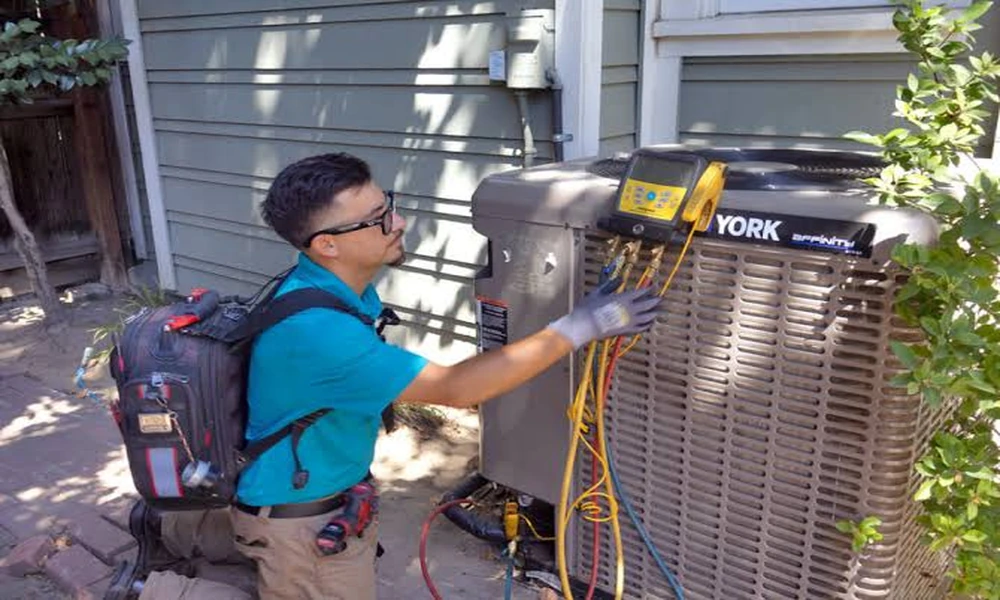
Replacing an electric furnace with a heat pump in the Wenatchee Valley rarely comes down to the price of the outdoor unit. A typical quote bundles equipment, labor, electrical work, duct corrections, permits, commissioning and the paperwork that unlocks utility money, and each layer moves for reasons tied to this valley’s climate. Summer afternoons regularly push past 90 degrees, wildfire smoke can settle over the Columbia for days in August, and January cold snaps drop overnight lows into the single digits. A system built for those swings costs differently than one built for a mild coastal winter, and knowing what each line item pays for makes two competing bids far easier to compare.
Homeowners anywhere from East Wenatchee to Leavenworth can get that kind of line by line clarity from Xtreme Heating and Cooling, a locally owned HVAC contractor serving all of North Central Washington. Their licensed technicians install and repair heat pumps, furnaces, ductless mini-splits and indoor air quality equipment, work with Trane and Mitsubishi Electric systems, and recommend a repair over a replacement whenever a repair is the smarter spend. They also stay current on HVAC rebates and offer 24/7 emergency service, so a conversation about a new system can start with one call to their East Wenatchee office.
The Hardware Line
Outdoor unit: This is the compressor and coil that sits beside the house, and it carries the biggest single price tag. The real decision here is how much heat the unit still delivers on a 5 degree night. A cold climate rated, variable speed model keeps working through most valley winters, while a basic single stage unit hands more of the load to backup heat. It costs more on day one and less every January after.
Indoor air handler: The air handler replaces the old furnace cabinet and usually includes electric resistance strips for defrost cycles and the coldest nights. The size of that strip package affects both the equipment price and the electrical work downstream.
Refrigerant generation: New split systems this year arrive charged with lower impact A2L refrigerants such as R-454B or R-32, following the federal phasedown of R-410A. These systems often add refrigerant leak sensors and call for updated tools and handling, which some contractors fold into labor and others list separately.
Controls: Variable speed equipment usually pairs with its own communicating thermostat. The setting that matters most is the backup heat lockout, which decides how often the system reaches for expensive resistance heat instead of the compressor.
Labor and the Parts Nobody Sees
Installation labor: Crews set the outdoor unit on a stand or wall bracket that keeps it above drifting snow and out from under roof drip lines, run and pressure test the line set, pull a deep vacuum and charge the system.
Electrical work: A heat pump and air handler each need properly sized circuits, and older valley homes on 100 amp panels sometimes need a load calculation before anything is ordered. Washington’s electrical permit and inspection requirements from L&I say the electrical contractor must buy its own permit, and the work is inspected to the 2023 National Electrical Code unless the city runs its own program.
Duct corrections: A heat pump delivers warm air at a lower temperature than a resistance furnace, so it needs more airflow to do the same job. Undersized returns, crushed flex duct and leaky joints in crawlspaces show up as noise, weak registers and higher bills. Fixing them is often the most valuable line on the quote.
Mechanical permit: The city or county building department issues this one, whether the house sits in Wenatchee, East Wenatchee or unincorporated Chelan or Douglas County. Eastern Washington falls in climate zone 5B under the state energy code, which shapes sizing and equipment efficiency expectations.
Each Layer at a Glance
| Cost layer | Fixed or variable | What makes it climb in the valley | Can a rebate offset it? |
|---|---|---|---|
| Outdoor unit | Variable by model | Cold climate capacity for single digit nights | Yes, through utility conversion rebates |
| Air handler and backup strips | Variable by size | Larger strip packages for cold snaps | Bundled into the system rebate |
| Electrical circuits and panel | Variable by home | Older 100 amp panels, long wire runs | Rarely |
| Duct corrections and sealing | Highly variable | Leaky crawlspace ducts, small returns | Sometimes, through duct sealing offers |
| Permits and inspection | Mostly fixed | Separate electrical and mechanical permits | No |
| Commissioning and paperwork | Mostly fixed | Airflow testing and utility worksheets | Required to qualify for rebates |
Commissioning and the Paperwork That Pays Back
Commissioning: After installation, a technician measures airflow, confirms refrigerant charge and sets the controls. Utilities in the valley treat this step as mandatory for ducted rebates, so a quote that skips it can quietly forfeit thousands of dollars.
Utility rebates: According to Chelan PUD’s current heat pump rebate schedule, switching from an electric resistance furnace to a heat pump for the first time qualifies for $3,300, and a first ductless mini-split conversion pays $1,600 in an existing site built home or $2,000 in a manufactured home. Ducted conversions require contractor pre-authorization before installation, and the contractor submits the application. East Wenatchee and other Douglas County addresses are served by Douglas County PUD, which runs its own program with separate terms.
Federal tax credit: The Section 25C credit for heat pumps ended for systems placed in service after December 31, 2025, so projects this year lean on utility programs and financing rather than a federal deduction.
The Bill That Arrives Every Month
Public hydropower keeps Wenatchee Valley electricity among the cheapest in the country, so some homeowners wonder whether replacing a working electric furnace is worth it. The math still favors the switch. A resistance furnace turns one unit of electricity into one unit of heat, while a heat pump moves two to three units of heat for the same power in typical winter weather, and it replaces window air conditioners in July. The savings shrink during deep cold snaps when backup strips engage, which is exactly why the outdoor unit’s low temperature rating and the lockout setting deserve attention at the quote stage.
Smoke season adds another consideration. A new air handler is the natural moment to add a deeper filter cabinet rated MERV 13, which captures far more fine particulate than a one inch filter. Spring and fall maintenance visits round out the long term cost, catching low refrigerant, clogged coils and cottonwood fluff before they shorten the life of an investment designed to run fifteen years or more.