


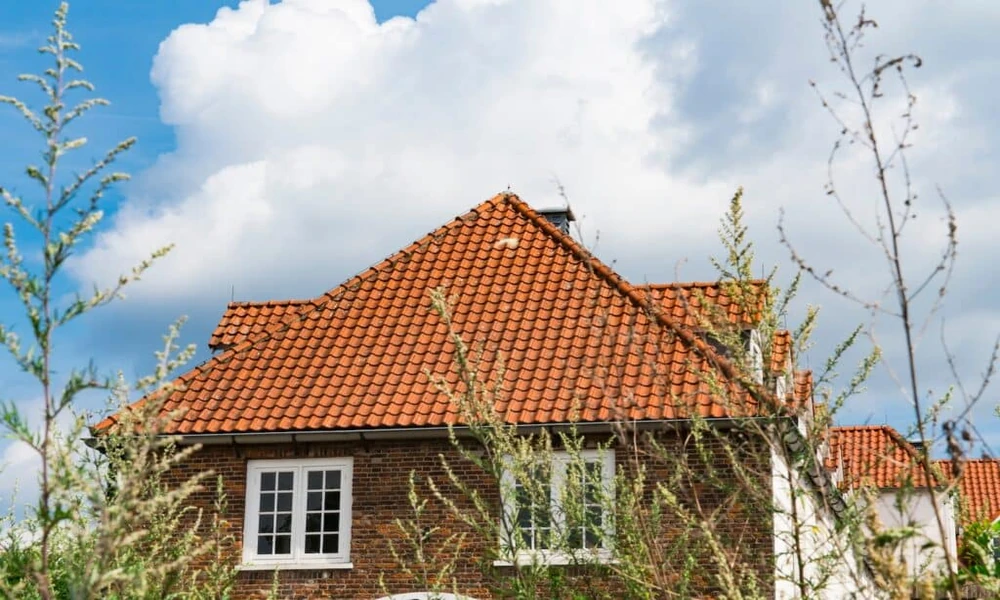
The morning after a strong Gulf storm, you can walk almost any street around New Orleans and read what happened on the rooftops. One house has a blue tarp flapping over bare plywood. The house next door is the same age and has the same shingle color, and it lost nothing. Luck plays a part. More often, though, the outcome was settled years earlier, on the day the roof went on, in details nobody on the sidewalk could see.
That hidden difference is what most reroof conversations along the Louisiana coast come down to now. Contractors who work this region, among them Shifflett Roofing, a New Orleans company locally owned since 1999 that is certified to install FORTIFIED systems for hurricane, high wind and hail, usually give homeowners two options. One is a roof built to code. The other is a roof built to a stricter standard that insurers recognize.
Both can look the same from the curb. In a bad storm they behave very differently.
The Layers Nobody Photographs
FORTIFIED is not a shingle brand or a product. It is a construction standard written by the Insurance Institute for Business & Home Safety, a nonprofit research group that tests building assemblies in a full-scale wind tunnel. The program grew out of damage surveys after major hurricanes. Those surveys kept finding the same weak points, and the standard targets each of them.
A standard reroof follows the local building code. Code is a legal minimum. It is meant to keep a house safe to live in, not to keep the inside of the house dry after a Category 2 storm passes over it. A code roof can hold up well in ordinary weather and still fail in the specific ways a hurricane attacks a roof.
Where the Two Roofs Part Ways
Put the two installations side by side and the differences fall into a few places.
- The deck seams. On a standard roof, rain that gets in where a shingle tore away runs through the gaps between plywood sheets and into the attic. A FORTIFIED roof seals those seams with tape or a full self-adhered membrane, so the house stays mostly dry even if shingles come off.
- The nails. Smooth nails can work loose under repeated gusts. The FORTIFIED standard calls for ring-shank nails, which grip the wood fibers and hold the deck to the rafters more securely.
- The edges. Wind usually lifts a roof at the eaves and rakes first. The upgraded system strengthens the drip edge and starter course so air cannot get under the first row and peel the roof back.
- The shingles. Every roof uses shingles with some wind rating. FORTIFIED requires products tested to higher wind ratings, and in hail-prone areas impact-rated options matter too.
- The proof. This is the difference people tend to overlook. A code roof is inspected for compliance, if it gets inspected at all. A FORTIFIED roof is documented step by step with photos and reviewed by a third-party evaluator before IBHS issues a designation certificate.
That last point affects everything that follows. Insurers want documentation, and a roof built to the same specs without the certificate usually won’t qualify for the formal discount.
What the Upgrade Adds to the Bill
The FORTIFIED version costs more up front. The extra materials and labor are modest compared to a full tear-off, but on an average house the difference typically runs into the thousands of dollars. Steep pitches, complicated rooflines and damaged decking push it higher.
Louisiana has stepped in to help close that gap. The Louisiana Fortify Homes Program offers grants of up to $10,000 toward a roof built to the FORTIFIED standard. Awards are made by lottery. The money goes directly to the contractor, and only after the roof is finished and certified. Homeowners cover any cost above the grant, including the evaluation fee. The state also offers a separate tax credit for homeowners who pay for a qualifying roof themselves, but you cannot use both the grant and the credit for the same project.
Where the Savings Show Up Later
The payback comes in a few forms. The most visible is the insurance premium. Louisiana law requires insurers to offer a discount for qualifying FORTIFIED homes, but it does not set the amount, so it varies a lot between carriers. Before you count on a figure, ask your agent whether the discount applies to the whole premium or only the wind and hail portion. The Louisiana Department of Insurance publishes discount information by company, which makes comparing carriers easier.
Other benefits are harder to see. A roof that keeps water out after losing shingles spares you a high named-storm deductible, a gutted ceiling and weeks of drying fans. Buyers increasingly ask about the designation when they shop. The certificate also has to be renewed every five years, which pushes owners into regular roof checkups many would otherwise skip.
The Middle Ground Most People Never Hear About
Full certification is not the only way to improve on a basic reroof. If the budget is tight, several of the same upgrades can be done on their own. A sealed deck alone does a lot to keep water out of the attic. Ring-shank nails cost very little more than smooth ones. Better shingles are a choice you make at the supply house.
A wind mitigation inspection can also earn credits with some carriers for roof shape, nailing and opening protection, even without a FORTIFIED designation. The savings are usually smaller and less predictable, but the roof is still stronger than a code-minimum install. Ask a contractor to price both paths so you can see exactly what the certificate adds.
Matching the Choice to the House in Front of You
The right answer depends on the building. An older New Orleans home with original board decking may need new sheathing before a sealed deck system can go on, which changes the cost math. A hip roof already handles wind better than a gable roof, so the upgrade adds protection on top of an advantage the house already has. If your current roof is only a few years old, tearing it off just for the designation rarely makes sense. Planning for it at the next replacement does.
How long you plan to stay matters too. Someone keeping the house for fifteen years will collect many years of discounts and avoided repairs. Someone selling in two years is mostly betting on resale appeal.
Before Anyone Climbs the Ladder
Whichever way you go, a few questions up front prevent most regrets. Ask whether the installer has actually completed certified FORTIFIED jobs, not just read about them. Confirm that an evaluator is lined up before tear-off, because the required photos have to be taken while the deck is exposed. Get the scope, warranty terms and timeline in writing.
From the street, the two roofs will look like twins. The real difference shows up after the next storm, and it is decided before the first shingle goes on.