


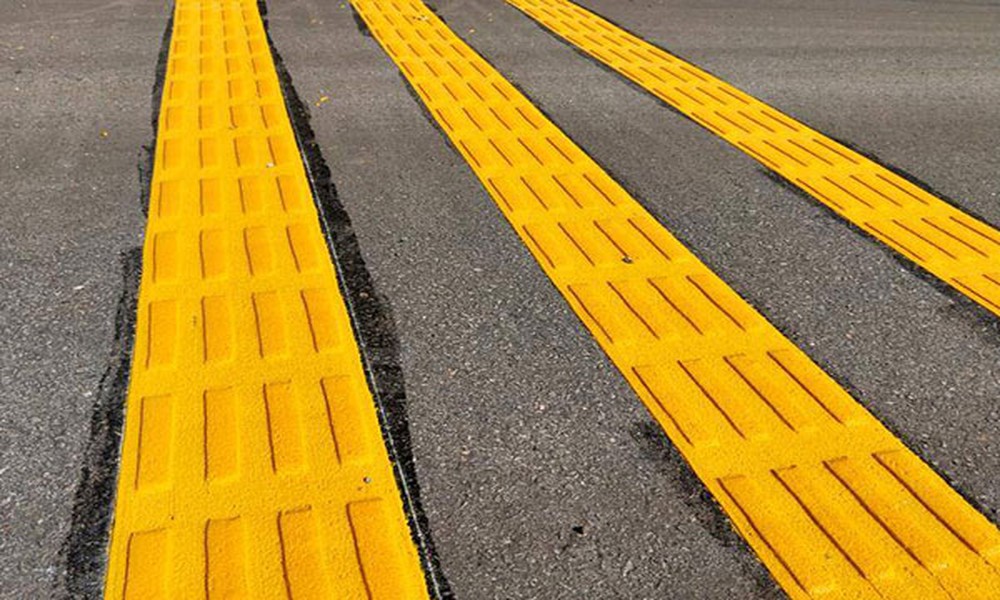
Road safety plays a vital role in reducing accidents and ensuring smooth traffic flow. One of the most effective ways to improve safety and guide drivers is through clear road markings. Among the various materials available, road marking thermoplastic has become a popular choice worldwide.
This material offers durability, visibility, and long-term performance, making roads safer for drivers, cyclists, and pedestrians. Understanding its benefits helps governments and construction companies make smarter decisions when designing and maintaining roads.
High Durability and Longevity
The road marking thermoplastic lasts much longer than traditional paint. It can withstand heavy traffic, harsh weather, and constant wear without fading or peeling quickly. This durability reduces the need for frequent repainting, which saves both time and money.
Roads marked with thermoplastic maintain their clarity for years, ensuring drivers can always see lane divisions and pedestrian crossings. Using a long-lasting material like thermoplastic also reduces disruptions on busy streets caused by frequent maintenance work.
Excellent Visibility
Thermoplastic road markings provide superior visibility in all conditions. Its bright white and yellow colors reflect light effectively, making lines easy to see during the day, night, or in rainy weather. The addition of glass beads in the thermoplastic enhances reflection even further, helping drivers spot lane divisions from a distance.
Clear and visible markings prevent confusion, reduce accidents, and improve traffic flow. Roads with highly visible markings make it easier for drivers to follow rules and navigate safely.
Quick Installation and Maintenance
Installing thermoplastic road markings is faster compared to traditional paint. The material is heated before application, allowing it to bond quickly with the road surface. This fast application reduces road closure time and inconvenience to drivers. In addition, thermoplastic requires minimal maintenance once installed.
Repairs are straightforward and can be completed without extensive roadwork. Fast installation and low maintenance make thermoplastic a practical choice for busy urban streets and highways.
Cost-Effective Over Time
Although thermoplastic can cost more initially than standard paint, it proves more economical in the long run. Its durability means fewer replacements, which lowers overall maintenance costs. Roads do not require frequent repainting, and fewer traffic disruptions occur during maintenance work.
Governments and construction companies benefit from saving both labor and material expenses. Choosing thermoplastic ensures that the road markings remain effective for many years without frequent investment.
Environmentally Friendly Option
Modern thermoplastic materials are designed to be safe for the environment. They are free from harmful chemicals, and their long lifespan reduces waste from frequent repainting. Because they last longer, thermoplastic markings also lower energy and resource consumption over time.
Using environmentally friendly road marking materials supports sustainable construction practices and demonstrates a commitment to protecting the surroundings. Communities benefit from cleaner, safer roads while reducing the impact on nature.
Conclusion
Road marking thermoplastic offers multiple advantages that make it an excellent choice for road safety. Its durability, visibility, quick installation, long-term cost savings, and environmentally friendly properties make roads safer and more efficient for everyone.
Investing in thermoplastic markings ensures clear guidance for drivers and pedestrians while reducing maintenance work and costs over time. Choosing high-quality materials like thermoplastic reflects a commitment to safety, sustainability, and smart infrastructure planning.